
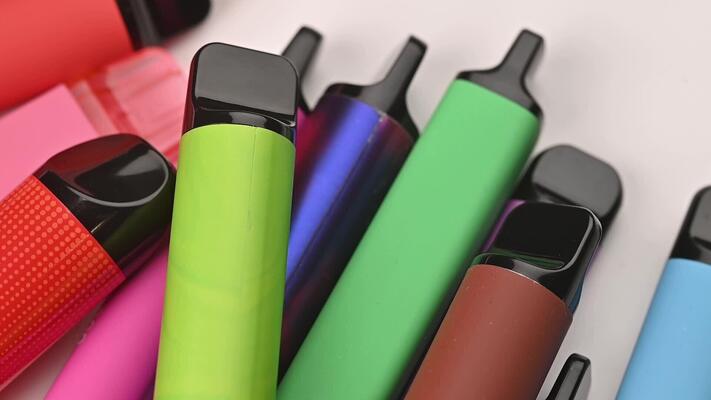
Logging Puff Data Over a Week: Uncovering Patterns for Improved Insights
In the age of data-driven decision-making, tracking and analyzing specific metrics has become crucial for effective management and optimization. One such metric is “puff data,” which refers to bursts of activity or consumption in various contexts, such as vaping, smoking, or even data usage. This article will guide you through the process of logging puff data over a week, helping you identify patterns that can lead to informed choices and improved outcomes. Read more: https://e-liquids.com/collections/vape-juice
What is Puff Data?
Before diving into the how-to, it’s essential to understand what puff data entails. Puff data can represent the frequency, duration, and intensity of activity bursts—whether in the context of smoking, vaping, or other similar behaviors. By monitoring this data, users can gain valuable insights into their habits, which can inform health decisions, product usage, and lifestyle adjustments. Click here: https://e-liquids.com/collections/vape-kits
Why Log Puff Data?
Logging puff data serves multiple purposes:
– Health Monitoring: Tracking consumption can help individuals understand their habits and make informed choices to improve their health.
– Behavioral Insights: Identifying patterns in puff data can reveal triggers, allowing users to modify their behavior or manage consumption.
– Product Optimization: For manufacturers, understanding how and when consumers engage with products can drive improvements in design and marketing strategies.
How to Log Puff Data Over a Week
Step 1: Define Your Objectives
Before you start logging, clarify what you hope to achieve. Are you looking to reduce your consumption, identify triggers, or simply understand your habits better? Your objectives will shape how you collect and analyze your data.
Step 2: Choose Your Method
Select a logging method that suits your lifestyle and preferences. Here are a few options:
– Manual Logging: Use a notebook or a digital note-taking app to record each puff. Note the time, duration, and context (e.g., stress, social situations).
– Mobile Apps: Numerous apps are designed for tracking smoking or vaping habits. These often include features such as reminders, analytics, and progress tracking.
– Wearable Devices: Some smart devices can track your activity levels and may be adapted to monitor puff-related data.
Step 3: Set Up a Logging Schedule
Consistency is key when it comes to data collection. Set a schedule for logging your puff data over the week. Consider logging:
– Frequency: How many puffs do you take each day?
– Duration: How long does each puff session last?
– Context: Document the circumstances surrounding your puffs, such as location, emotional state, or social settings.
Step 4: Record Data Daily
Now it’s time to start logging! Make it a habit to record your data at the same time each day. This could be at the end of the day when you reflect on your activities or immediately after each puff session. Be as detailed as possible, as this will enhance your ability to identify patterns later.
Step 5: Analyze Your Data
At the end of the week, compile your data into a format that allows for easier analysis. You can use spreadsheets or data visualization tools. Look for trends or patterns such as:
– Peak Consumption Times: Are there specific times of day when you tend to puff more?
– Triggers: What situations or emotions lead to increased consumption?
– Duration Patterns: Do your sessions vary in length depending on the circumstances?
Step 6: Reflect and Adjust
Once you’ve analyzed your data, take time to reflect on your findings. Ask yourself:
– What patterns did you notice?
– Were there specific triggers that led to increased consumption?
– How can you use this information to inform your habits moving forward?
Based on your insights, consider setting goals for the upcoming week. Whether it’s reducing the number of puffs or identifying healthier coping strategies, having specific objectives can motivate change.
Conclusion
Logging puff data over a week is an effective way to gain insights into your habits and behaviors. By defining your objectives, choosing the right method, and analyzing your data, you can uncover valuable patterns that inform your decisions. Whether you’re looking to improve your health, understand your consumption triggers, or optimize product usage, a systematic approach to logging puff data will empower you to make informed choices. Start your journey today, and watch as your insights lead to positive changes in your life.