
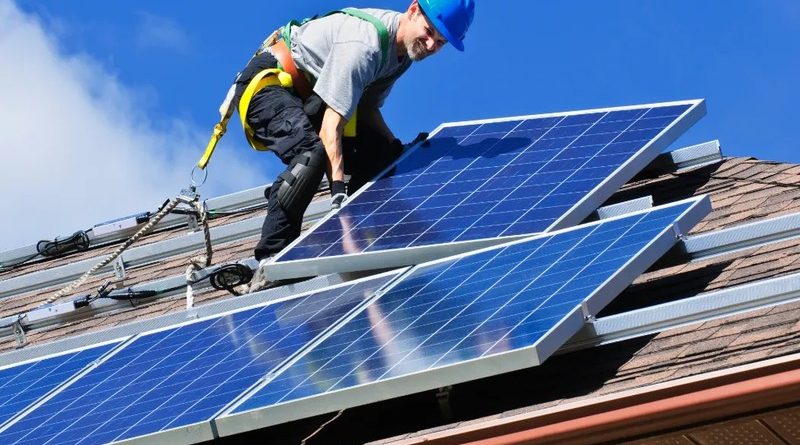
Advanced Technology Used in Solar Installation and maintenance
The solar energy industry has seen remarkable advancements in technology that have significantly improved the installation and maintenance of solar power systems. These innovations not only enhance efficiency but also reduce costs and increase the reliability of solar energy solutions. One key area of progress is the use of drones equipped with high-resolution cameras and thermal imaging sensors to inspect solar panels. Drones can quickly scan large arrays, identifying damaged or underperforming panels without requiring manual inspection, which saves time and improves safety for technicians. This aerial monitoring allows for precise detection of issues such as hotspots, cracks, or shading problems that might otherwise go unnoticed.
Another important technological development is the integration of advanced software platforms for design and simulation during the installation phase. These tools enable engineers to create detailed 3D models of rooftops or ground-mounted sites, optimizing panel placement based on factors like sun exposure, shading patterns, and structural constraints. By simulating different configurations before actual installation, these software solutions help maximize energy production while minimizing material waste and labor costs. Additionally, digital twin technology creates virtual replicas of entire solar installations that can be monitored continuously throughout their operational life. This real-time data analysis supports predictive maintenance by mens beach robe forecasting potential failures before they occur.
Robotics also play a growing role in both installing and maintaining solar systems. Automated cleaning robots are increasingly used to remove dust, dirt, and debris from panel surfaces in large-scale solar farms where manual cleaning would be labor-intensive and inefficient. Clean panels maintain higher efficiency levels by ensuring maximum sunlight absorption throughout varying weather conditions. In terms of mounting hardware installation, robotic arms guided by AI algorithms assist workers by handling heavy components accurately at height or awkward angles.
Energy management systems (EMS) equipped with machine learning capabilities further optimize performance after installation by balancing electricity generation with consumption patterns in real time. These smart controllers adjust inverter settings dynamically to improve overall system output under fluctuating environmental conditions such as cloud cover or temperature changes.
Finally, advances in sensor technology contribute significantly to ongoing maintenance efforts by continuously monitoring parameters like voltage fluctuations, current flow irregularities, temperature variations across modules, humidity levels inside enclosures, and even structural integrity through vibration sensors embedded within mounting frameworks.