
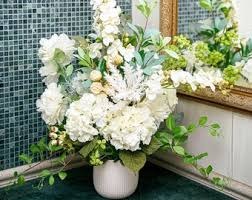
The Future of Artificial Flower Wholesale: 2026 Market Trends Every Retailer Should Know
The artificial flower wholesale industry is no longer a niche market serving only discount stores and seasonal decorators. In 2026, faux floral products have become a major force across retail, hospitality, wedding design, commercial interiors, event planning, and e-commerce. As manufacturing quality improves and consumer preferences evolve, artificial flowers are now viewed as long-term decorative investments rather than cheap substitutes for fresh blooms.
For retailers, wholesalers, and sourcing agents, understanding where the industry is heading can create significant opportunities. Businesses that adapt early to changing trends are likely to gain stronger margins, better customer retention, and faster growth in the increasingly competitive décor market.
This article explores the most important artificial flower wholesale trends shaping the industry in 2026 and what retailers should prepare for moving forward.
The Global Demand for Artificial Flowers Continues to Rise
One of the clearest trends in 2026 is the steady increase in worldwide demand for artificial flowers. Several factors are driving this growth.
Consumers are becoming more focused on convenience and long-term value. Unlike fresh flowers, artificial arrangements do not require watering, sunlight, refrigeration, or replacement every few days. This makes them especially attractive for busy households, offices, hotels, restaurants, and commercial spaces.
At the same time, modern manufacturing techniques have dramatically improved realism. Premium artificial flowers now feature:
- Real-touch petals
- Natural color gradients
- Flexible wired stems
- Latex-coated finishes
- Handcrafted detailing
- UV-resistant materials
Many customers can no longer easily distinguish high-quality faux flowers from real blooms at first glance.
As a result, wholesale buyers are expanding beyond traditional floral shops. Artificial flowers are now commonly purchased by:
- Interior design studios
- Wedding planners
- Airbnb hosts
- Retail boutiques
- Furniture stores
- Event companies
- Restaurants and cafés
- Luxury hotels
- Corporate offices
This diversification is creating stronger year-round demand instead of relying only on seasonal holidays.
Sustainability Is Becoming a Major Selling Point
Sustainability has become one of the most influential factors affecting purchasing decisions in the décor industry.
Although artificial flowers are made from synthetic materials, many buyers now view premium faux flowers as a more sustainable long-term option compared to constantly replacing fresh flowers that quickly wilt and generate waste.
Wholesale suppliers are responding by introducing:
- Recyclable packaging
- Eco-friendly fabrics
- Reduced-plastic product lines
- Reusable floral systems
- Longer-lasting premium collections
Retailers are also discovering that customers increasingly prefer “buy once, use for years” decorative products.
In 2026, environmentally conscious branding is becoming a competitive advantage for artificial flower wholesalers. Businesses that highlight durability, reduced maintenance, and reusable décor solutions often perform better in both B2B and e-commerce markets.
Luxury Artificial Flowers Are Growing Faster Than Budget Products
For years, artificial flowers were mostly associated with low-cost decoration. That perception is rapidly changing.
One of the biggest trends in the wholesale market is the rise of premium and luxury artificial flowers. Customers are now willing to pay significantly more for high-end arrangements that look realistic and sophisticated.
Popular luxury products include:
- Real-touch peonies
- Silk orchids
- Faux hydrangeas
- Artificial cherry blossoms
- Designer floral centerpieces
- Large statement arrangements
- Custom wedding flower sets
Luxury hotels, wedding venues, and interior designers are driving much of this demand. Many commercial buyers now prioritize durability and aesthetics over low pricing.
As a result, wholesalers focusing exclusively on cheap products may struggle to compete in higher-margin markets.
Retailers are increasingly searching for suppliers that offer:
- Handmade details
- Premium materials
- Custom color matching
- Exclusive collections
- Modern packaging
- Boutique-style presentation
The industry is shifting from “cheap fake flowers” toward “long-lasting luxury décor.”
Wedding and Event Markets Are Expanding Rapidly
The wedding industry has become one of the strongest growth sectors for artificial flower wholesalers.
In previous years, many couples preferred fresh flowers despite their high cost and short lifespan. However, modern artificial wedding flowers now offer several advantages:
- Better durability during transport
- Weather resistance
- Lower overall costs
- Reusable arrangements
- Easier international shipping
- Long-lasting keepsakes
As destination weddings and outdoor events continue growing, artificial flowers are becoming a practical solution for planners managing large-scale setups.
Wholesale suppliers are increasingly creating products specifically designed for weddings, including:
- Bridal bouquets
- Ceremony arches
- Hanging floral installations
- Table centerpieces
- Flower walls
- Artificial greenery backdrops
Custom-made collections are especially popular because couples want unique visual themes rather than mass-produced designs.
This trend is expected to continue expanding throughout 2026 and beyond.
E-Commerce Is Changing the Wholesale Industry
Digital commerce is reshaping how artificial flower wholesalers attract customers and grow internationally.
In the past, wholesale flower sourcing relied heavily on trade shows and physical catalogs. Today, buyers increasingly discover suppliers through:
- Google search
- TikTok
- Alibaba
- Independent B2B websites
SEO has therefore become a critical marketing strategy for artificial flower wholesalers.
Businesses publishing high-quality content related to:
- wholesale artificial flowers
- faux flower trends
- wedding flower suppliers
- silk flower décor
- artificial floral arrangements
can generate long-term organic traffic and attract international buyers without relying entirely on paid advertising.
Visual marketing is also becoming essential. Professional product photography, styled room displays, and short-form videos now play a major role in buyer decisions.
Wholesalers with outdated websites and poor branding may struggle to compete against visually modern suppliers.
Customization Is Becoming More Important
Another major trend in 2026 is personalized floral production.
Retailers and event planners increasingly want custom-made products instead of generic catalog items. This includes requests for:
- Specific flower combinations
- Brand color matching
- Customized bouquet sizes
- Seasonal collections
- Exclusive product lines
- Private label packaging
Wholesalers capable of offering flexible manufacturing services are gaining stronger relationships with long-term clients.
Customization also helps retailers avoid direct price competition because exclusive products are harder to compare across marketplaces.
For manufacturers, this shift creates opportunities to move beyond bulk commodity sales and build premium partnerships.
Artificial Greenery Is Growing Alongside Flowers
Artificial greenery is becoming almost as important as flowers themselves.
Modern interior design trends favor natural-looking spaces filled with green textures, especially in urban environments where maintaining live plants is difficult.
Popular wholesale greenery products include:
- Eucalyptus stems
- Artificial ivy
- Hanging vines
- Faux olive branches
- Tropical leaves
- Moss walls
- Artificial plants
Restaurants, offices, hotels, and shopping centers are major buyers in this category.
Many wholesalers now combine floral and greenery collections to create complete décor solutions instead of selling flowers alone.
This broader product strategy often increases average order value and repeat business.
Quality Control Is More Important Than Ever
As competition increases, product quality is becoming one of the biggest differentiators in the artificial flower wholesale market.
Retailers today are more selective than ever because online reviews, social media, and customer photography can quickly expose low-quality products.
Common issues buyers want to avoid include:
- Unnatural colors
- Plastic appearance
- Weak stems
- Glue marks
- Poor packaging
- Flattened petals during shipping
Reliable wholesalers are investing more heavily in:
- product inspections
- export-safe packaging
- material upgrades
- color consistency
- production standardization
In 2026, reputation and consistency are becoming more valuable than simply offering the lowest price.
The Future Looks Strong for Artificial Flower Wholesale
The artificial flower wholesale industry is entering a new stage of growth and transformation.
What was once considered a low-end decorative category is evolving into a sophisticated global market driven by design trends, sustainability concerns, e-commerce expansion, and premium consumer expectations.
Retailers that understand these trends early can position themselves ahead of competitors by offering:
- higher-quality products
- luxury floral collections
- customized solutions
- visually strong branding
- SEO-focused content marketing
Meanwhile, wholesalers that continue improving realism, packaging, and customer experience are likely to see strong international demand throughout 2026 and beyond.
As technology and design continue advancing, artificial flowers are no longer replacing real flowers — they are becoming a permanent category of modern decorative living.