
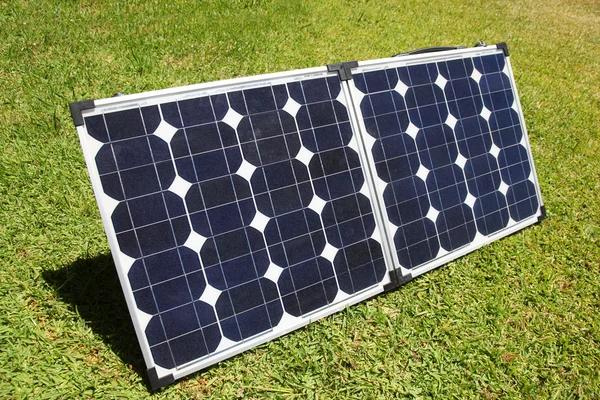
Solar Panel Generation in 2026: Trends and Innovations
Solar panel generation in 2026 is marked by significant advancements and evolving trends that are reshaping the renewable energy landscape. As the demand for clean energy continues to rise globally, innovations in solar technology have accelerated, making solar power more efficient, affordable, and accessible than ever before. One of the most notable trends is the increased efficiency of photovoltaic cells. Manufacturers are now deploying next-generation materials such as perovskite alongside traditional silicon-based cells to boost conversion rates. This hybrid approach allows panels to capture a broader spectrum of sunlight, resulting in higher electricity output from smaller surface areas.
In addition to material improvements, there has been substantial progress in panel design and integration. Solar panels are becoming thinner, lighter, and more flexible without compromising durability or performance. This flexibility enables installation on unconventional surfaces such as curved roofs or even windows through transparent solar films. Building-integrated photovoltaics (BIPV) are gaining traction as architects and developers seek ways to seamlessly incorporate solar technology into urban infrastructure while maintaining aesthetic appeal.
Energy storage solutions have also evolved hand-in-hand with solar generation systems. get the details intermittent nature of sunlight necessitates reliable battery technologies that can store excess power for use during non-sunny periods. Innovations in solid-state batteries and flow batteries offer longer lifespans and faster charging capabilities compared to earlier lithium-ion models. These advancements enhance grid stability by smoothing out fluctuations caused by variable weather conditions.
Smart grid integration plays a crucial role in maximizing the benefits of distributed solar generation across residential, commercial, and utility-scale installations. Advanced monitoring systems equipped with artificial intelligence analyze real-time data on energy production and consumption patterns to optimize performance dynamically. Consumers can now manage their energy usage more effectively through mobile applications linked directly to their home solar setups.
Government policies worldwide continue to encourage adoption through incentives like tax credits, rebates, and feed-in tariffs tailored toward renewable projects. Many countries aim for ambitious carbon reduction targets by mid-decade which further drives investment into research and development within the sector.
Despite these positive developments, challenges remain including supply chain constraints for raw materials required for manufacturing advanced components along with regulatory hurdles related to grid interconnection standards varying regionally.
Overall, solar panel generation in 2026 reflects a dynamic interplay between cutting-edge technology innovation and supportive policy frameworks aimed at accelerating global transition toward sustainable energy sources while addressing environmental concerns efficiently at scale.